 The Institute for Advanced Automotive Propulsion Systems (IAAPS) is integrating an Ansible Motion Delta S2 DIL simulator with its 1,800kW four-wheel-drive powertrain test facility.
This will bring simulated vehicle behaviors, human driver inputs and physical powertrain hardware together within a single real-time automotive development environment, which will enable complex development and validation work to begin earlier, helping to reduce technical risk, physical prototype testing requirements and overall development time.
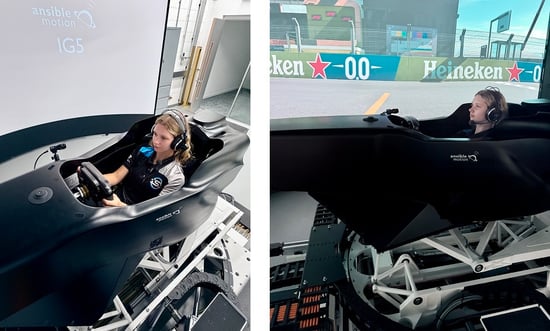
The DIL simulator at IAAPS has already supported race preparations involving F1 Academy driver Rachel Robertson. IAAPS is now engaging with organizations across motorsport, automotive and the wider transportation sector to realise the lab's broader potential.
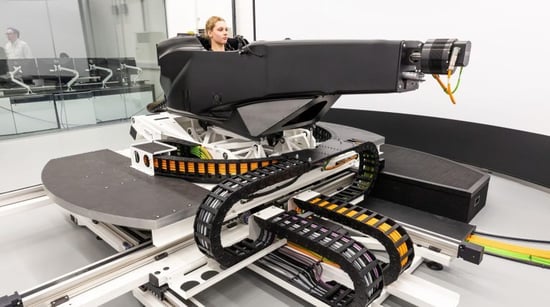
The newly integrated DIL simulator gives motorsport organisations and individual competitors access to professional simulation tools and engineering support without the cost and complexity of operating their own simulator facility.
As a world-leading research and innovation centre, IAAPS also provides comprehensive engineering services covering real-time simulation, X-in-the-Loop methodologies, physical testing, control systems, data analysis and vehicle development.
For automotive manufacturers and technology suppliers, the DIL simulator lab accelerates vehicle development by moving testing and validation into a controlled, repeatable environment earlier in a program. According to Professor Rob Oliver, managing director of IAAPS:
By combining simulation with our advanced facilities and engineering expertise, we can help customers develop and validate complex systems earlier, more efficiently and with reduced technical risk.
Driver behavior, propulsion system response and wider vehicle functions can be evaluated before a complete physical prototype is available. This supports more efficient development and validation of internal combustion, hybrid and battery electric vehicles while reducing dependence on physical prototypes and on-road testing.
Read the full article on the Automotive Testing Technology International website.